
 2535 Drew Road - UNIT 3 - Mississauga

Call Now
(905) 872-7463


Cold Weather Digging
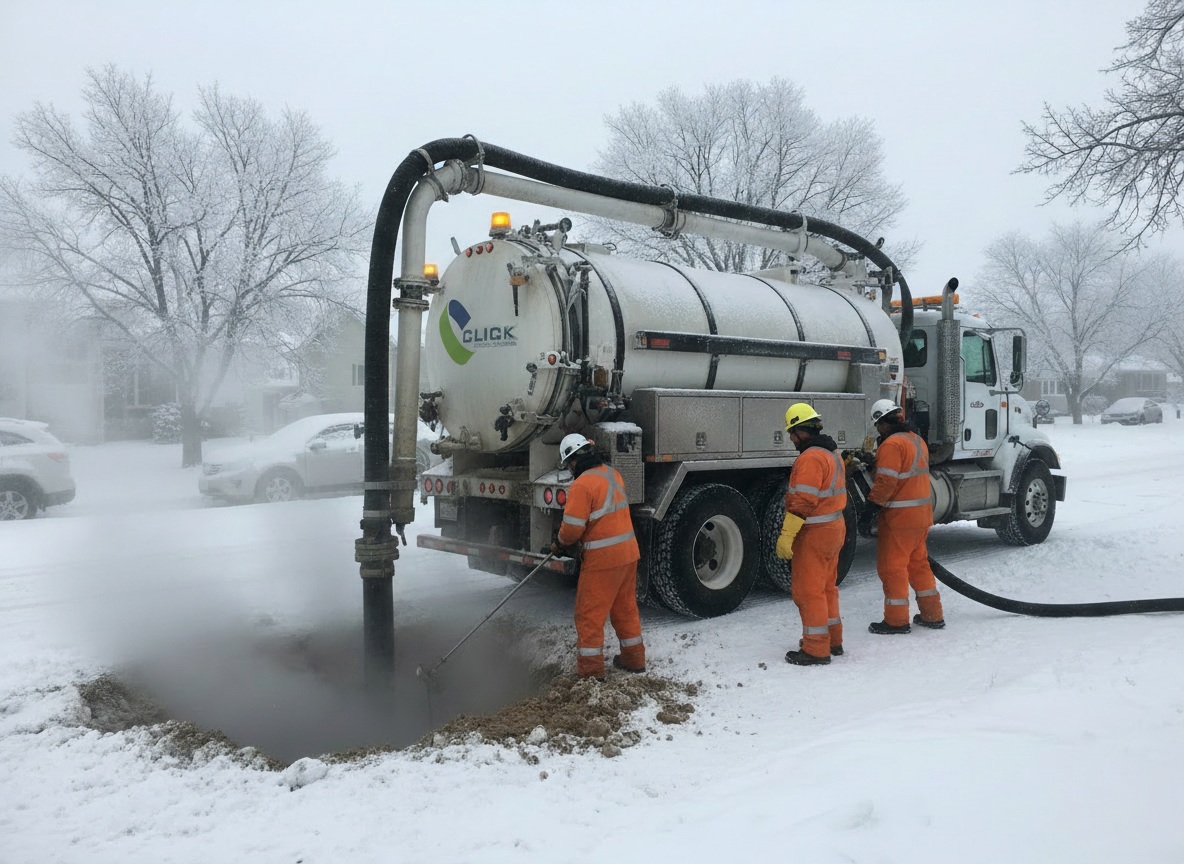
Click Hydrovac Excavation is especially efficient during the cold winter months by employing the use of truck-mounted boilers that heat water to temperatures exceeding 100 degrees C, enabling it to penetrate frozen soil and ice. This process produces a slurry that is then vacuumed up. By using this technique, there is no longer a requirement for slow, expensive, and environmentally harmful conventional thawing approaches such as ground heaters or chemical treatments, permitting prompt and non-invasive digging even in below-freezing weather.
Hot Water Technology:
Our specialized vehicles are equipped with water heating units (boiler systems) that warm the water to dissolve frozen soil layers which enable the vacuum extraction to function properly.
Safe and Productive Method:
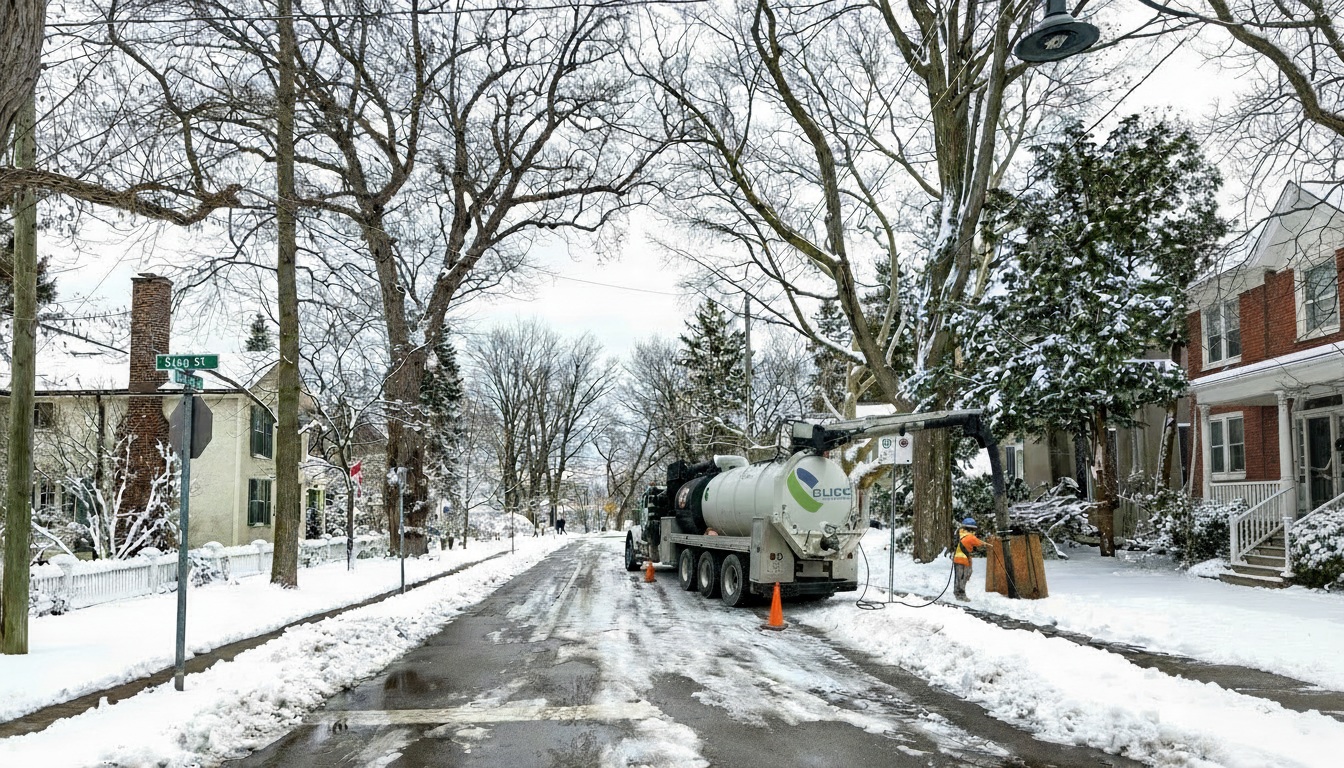
This approach offers a secure, damage-free, and productive option compared to mechanical tools like jackhammers or excavators, especially when reaching buried infrastructure in icy terrain.
Decreased Hazards:
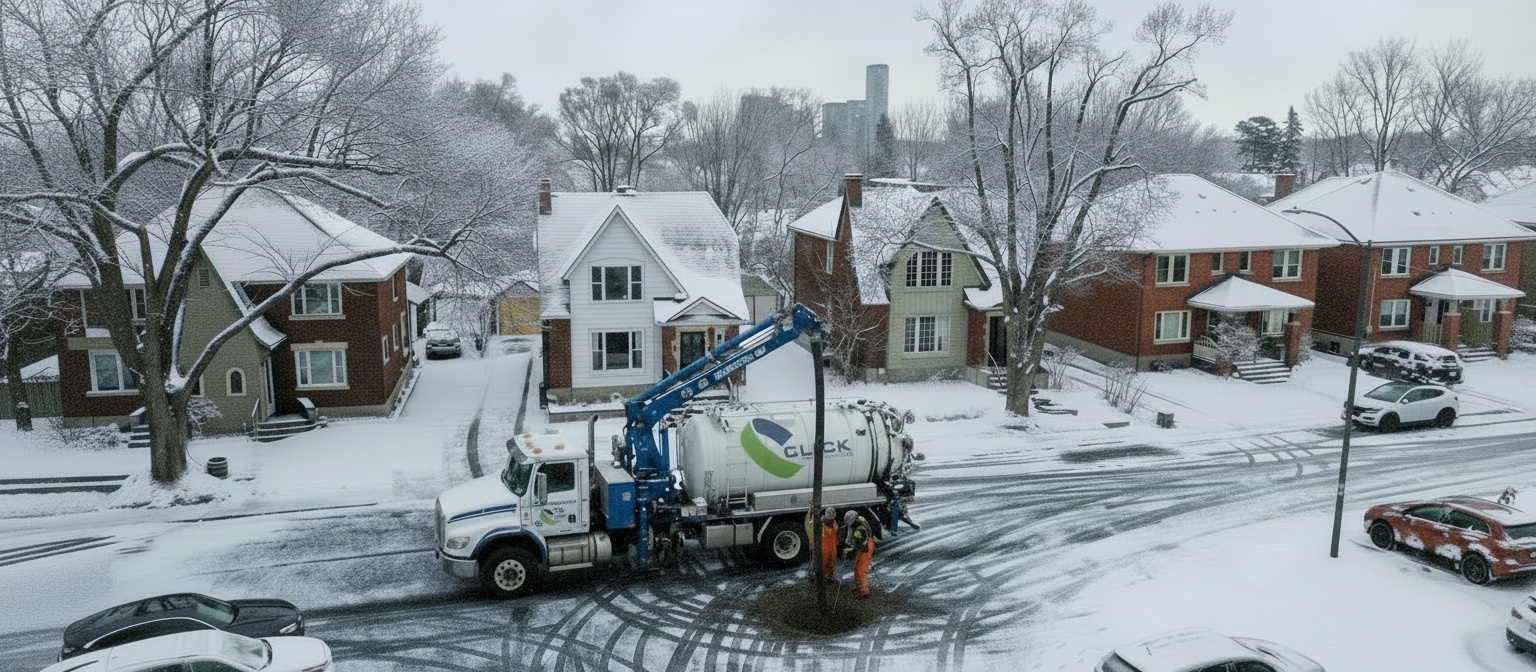
This technique lowers the dangers inherent in cold-season construction work, including the potential for harming frozen earth near utility infrastructure.
More Hydrovac Services

Cold Weather Digging
You can utilize hydrovac trucks in various conditions, such as cold or freezing weather. Even in cold weather, a hydro vac remains efficient. The heated water easily breaks up frozen ground, minimizing downtime and keeping projects on schedule.
Read More
Soil Trenching
Soil trenching refers to digging narrow trenches in the soil so contractors can install utilities, cables and pipelines. Hydrovac trucks are accurate and ensure only the specific area needed for the job is affected.
Read More
Daylighting / Utility Mapping
Daylighting and exposing utilities is one of the most common applications for hydrovac trucks. Workers will dig to locate and uncover utilities so they can work on them. The hydrovac will efficiently remove soil and excess water from the excavation site.
Read More